Why Email Authentication Matters for Your Business (And What Google's Policy Change Means for You)
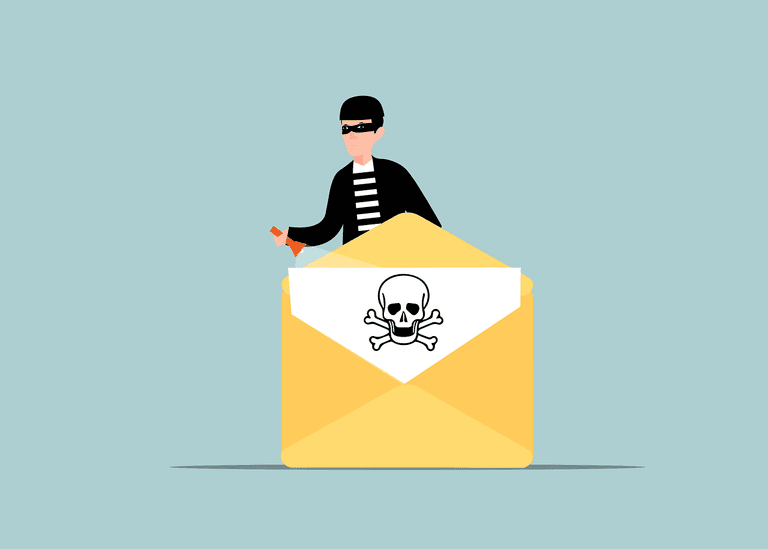
Your practice sends dozens of emails every day. Appointment confirmations, invoices, correspondence with referrers. Now imagine your clients receiving emails that look like they came from you - asking them to click a link or confirm their details - but you never sent them. That is email spoofing, and it is one of the most common ways businesses and their clients get caught out by scammers.
The problem is more widespread than most business owners realise. Scammers do not need to break into your systems to impersonate you. They simply forge your email address and send messages to your contacts. If a client gets a convincing-looking email from your practice's address asking for payment details or a login, there is a good chance some of them will respond. The damage to trust - and potentially your liability - can be significant. There are also other ways hackers get into business accounts that most practice owners do not expect.
This is why email authentication exists, and why it has become more important recently. In early 2024, Google and Yahoo introduced stricter requirements around email authentication for businesses sending bulk email. The three protocols involved - SPF, DKIM, and DMARC - work together to verify that emails leaving your domain are genuinely from you. In plain terms: they tell receiving mail servers which senders are authorised, allow emails to be digitally signed as legitimate, and give you reports when someone else tries to use your domain. If these are not set up correctly, your legitimate emails may start landing in spam folders, and spoofed emails using your address may continue unchecked.
When email authentication is properly configured, a few things happen that matter to your day-to-day operation. Your emails are more likely to reach clients' inboxes rather than getting filtered as spam. Your domain becomes harder to use in spoofing attempts. And you get visibility into whether anyone is attempting to impersonate your business. None of this requires you to do anything differently - it runs in the background. The benefit is simply that your email works the way it should, and your clients are less likely to be targeted by scammers pretending to be you. Keeping your team informed is also important, and security awareness training is a cyber defence many NZ businesses overlook.
Getting this set up is not something you need to understand in technical detail. What matters is that whoever manages your IT has checked these settings and confirmed they are in place. If you are unsure whether your practice has SPF, DKIM, and DMARC configured correctly, that is worth finding out. It is a straightforward thing to check and fix, but it does need to be done deliberately - it does not happen automatically when you set up a domain or email account. To understand the broader picture of cybersecurity for your business, it helps to work with someone who knows the landscape.
If your current IT support has not raised this with you, or if you are not sure who to ask, ITstuffed works with professional services businesses across Canterbury on exactly this kind of issue. A 15-minute IT Fit Check is a good place to start.