Ransomware That Looks Like a Windows Update
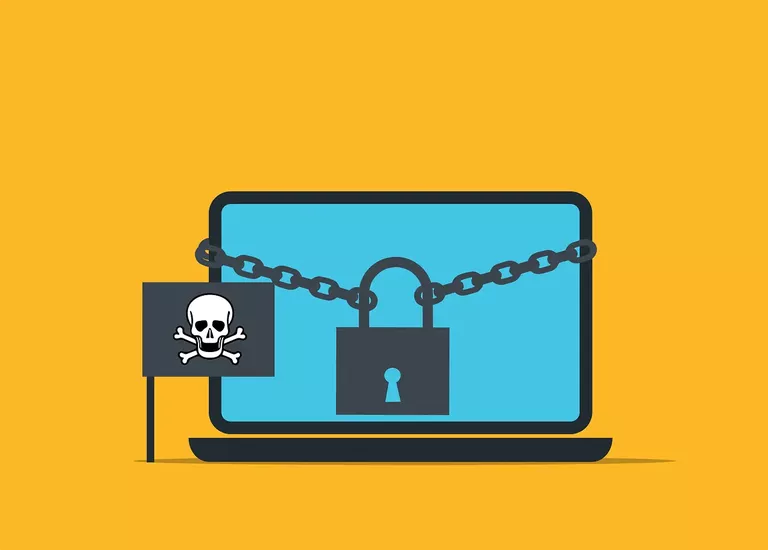
It's mid-morning and someone on your team sees a Windows update notification pop up on their screen. They click it, wait for it to run, and get back to work. Except what just ran wasn't a Windows update. It was ransomware. Within minutes, files across your network are being encrypted and your practice has a serious problem.
This is not a hypothetical. A ransomware variant known as Big Head has been doing exactly this - presenting a convincing fake Windows update screen, complete with a forged Microsoft digital signature, to trick people into installing malicious software. It looks legitimate because it's designed to. Most people, even careful ones, wouldn't question a routine update prompt.
Once ransomware takes hold, your options are grim. Files become inaccessible. Your systems may be unusable. You're either paying a ransom to criminals with no guarantee of getting anything back, or you're restoring from a backup - if you have one that works. For a healthcare practice or professional services business handling confidential client records, the consequences extend beyond the ransom itself. Under the NZ Privacy Act 2020, a breach of patient or client data carries real obligations, including potential notification to the Office of the Privacy Commissioner at privacy.org.nz. The reputational damage alone can outlast the technical recovery by months.
The right setup makes these attacks much harder to execute. Automated updates - managed through a trusted IT support provider rather than leaving staff to click whatever appears on screen - remove the guesswork entirely. If updates are handled automatically in the background, a fake update prompt has nowhere to go. Decent email filtering catches the phishing messages that often precede these attacks. Regular, tested backups mean that if the worst does happen, you restore your data rather than negotiate with criminals. And staff who know what a suspicious prompt looks like are far less likely to click one.
None of this requires your team to become IT experts. It requires having the right systems in place and someone keeping an eye on them. A good managed IT support arrangement for a professional services business should include all of this as standard - automated patching, endpoint protection, backup monitoring, and someone to call if something looks wrong. If you're not sure whether your current setup covers these security basics, that's worth finding out before an incident forces the question. CERT NZ at cert.govt.nz is also a useful resource if you want to understand current threats or report an incident.
ITstuffed works with professional services businesses across Canterbury on exactly this kind of setup. If you'd like a quick read on whether your current IT leaves you exposed, an IT Fit Check takes 15 minutes and gives you a clear picture of where you stand.